Mood DJ
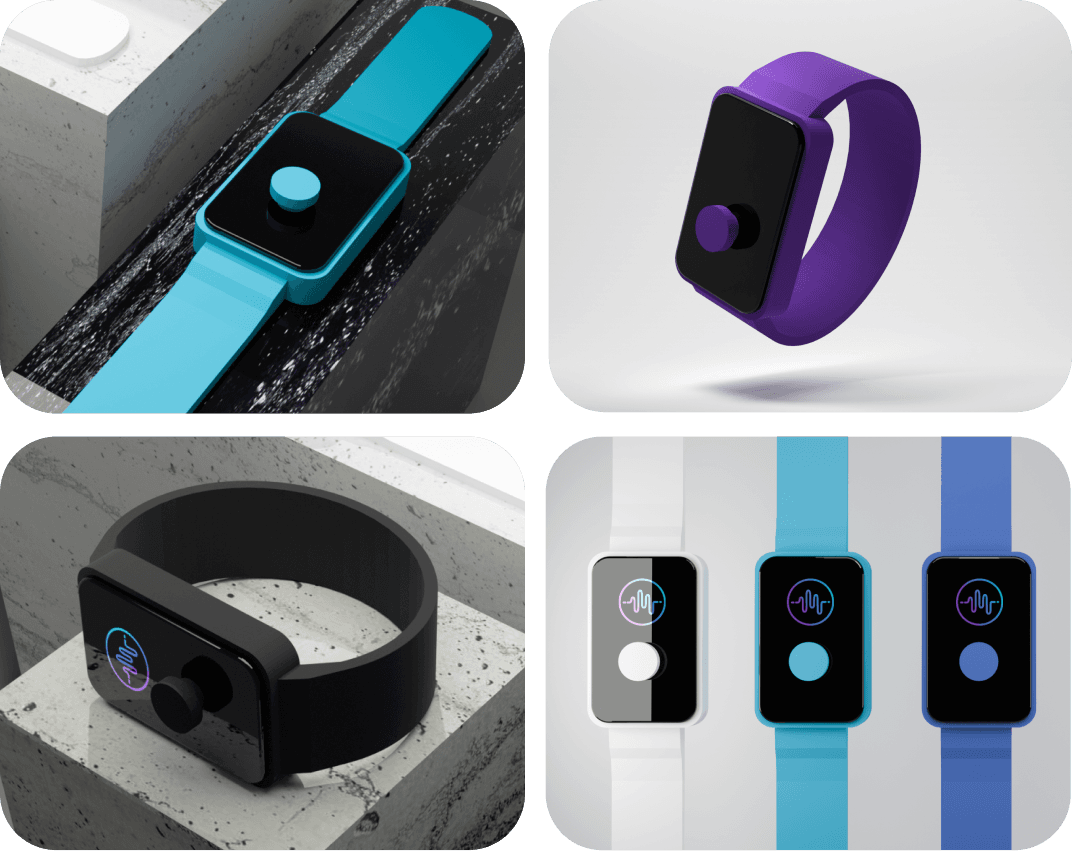
Wearable experience that turns body signals and emotions into real-time personalized music. Designed to support focus, relaxation, and emotional well-being, it adapts sound dynamically to create a soundtrack unique to each moment.
About the project
Project Brief
Mood DJ explores how generative AI can shape more personal and emotionally aware interactions through wearable technology. Designed as an adaptive companion, the device responds to users’ emotional input and body signals to create personalized music experiences that support focus, relaxation, motivation, and everyday well-being.
Blending seamlessly into daily life, the concept investigates how AI-driven systems can foster presence, emotional connection, and supportive digital experiences through intuitive and human-centered interaction design.
My Role
UX/UI design / Brand design / User testing / Concept validation
Project Details
Project team - Tamar, David, Dina, Sohum Project Duration - 5 weeks Client - Faraday Year - 2024
Challenge
Challenge
Young adults often face stress from work and studies, as well as demotivation due to the fast-paced nature of modern life.
“As a student who works out 3 times a week at the gym, I want to have access to new music related to my exercise so that I don’t get bored while I am working out alone.”
“As a recruiter who runs in the morning I want to get more energy so that I can perform better.”
Outcome
The Mood DJ wearable device emerges as an innovative tool designed to motivate users, help them concentrate, or aid in relaxation. Once connected to headphones via Bluetooth, the Mood DJ device generates unique, customized music through AI. Users provide input such as preferred genres, current mood state, and the desired mood they wish to achieve. The device tracks body vitals to offer an optimised music transition experience, guiding users toward their target emotional state effectively.
Process
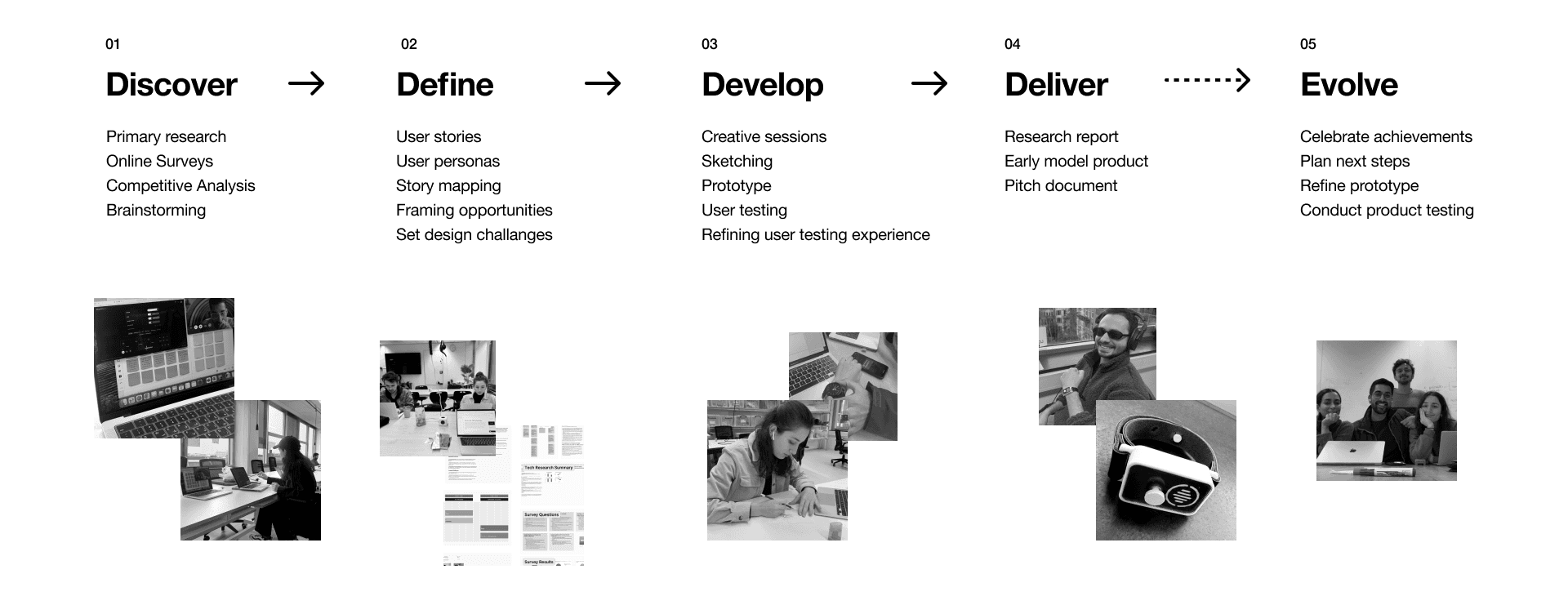
Design Process
Process
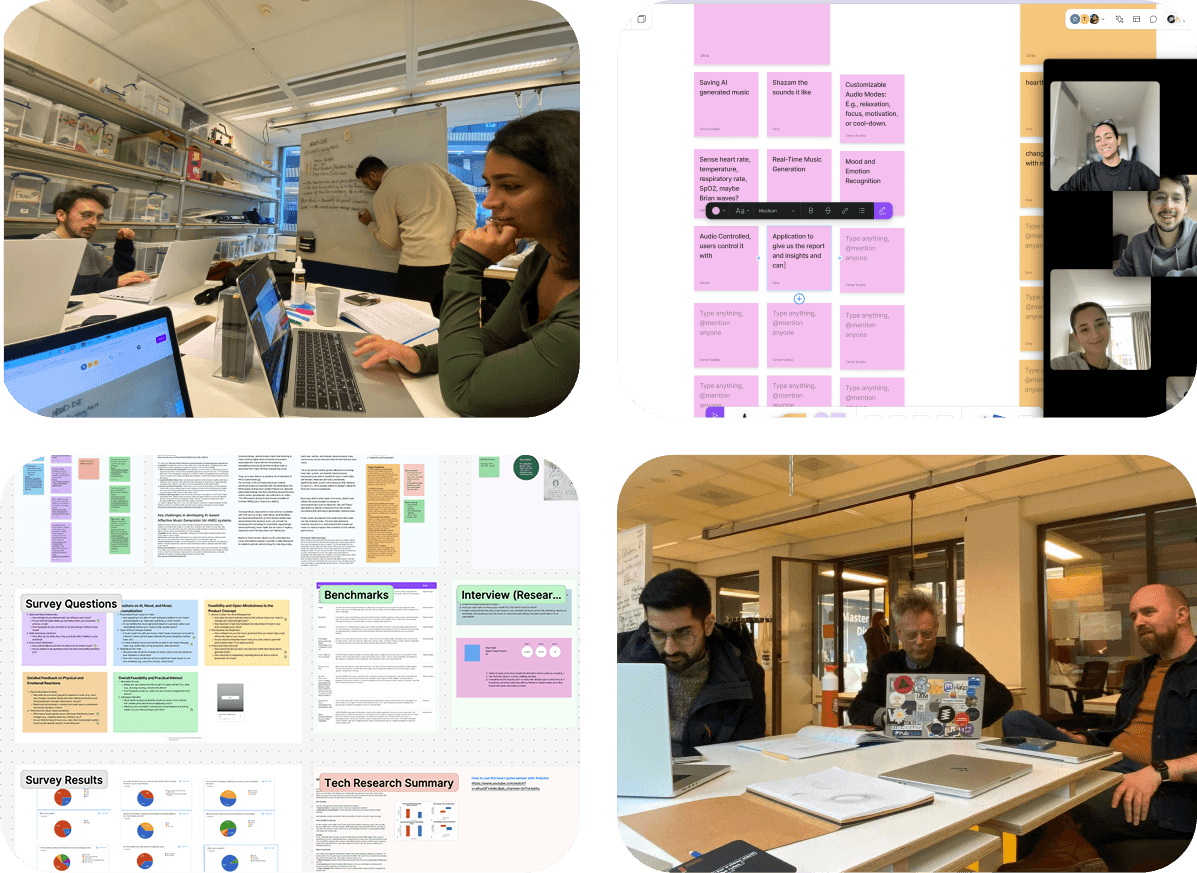
Research
During our desk research, I gathered numerous valuable insights and findings that provided positive validation and reinforced the feasibility of implementing our idea.
/Music releases dopamine, serotonin, and oxytocin, which help improve mood. /Music improves attention, memory, creativity, and helps people connect with others. /People had similar emotional responses to AI-generated and human-composed music.
However, we also identified several challenges related to AI-generated music, which we encountered during user testing. As a result, we conducted extensive testing and iterations with other AI tools to select the most suitable one. Some of the challenges were:
/Control: hard for AI to create music that matches emotions perfectly. /Adaptability: Difficulty adjusting music based on a story or scene. /Long-Term Structure: Struggles with cohesive, long-form compositions.
Process
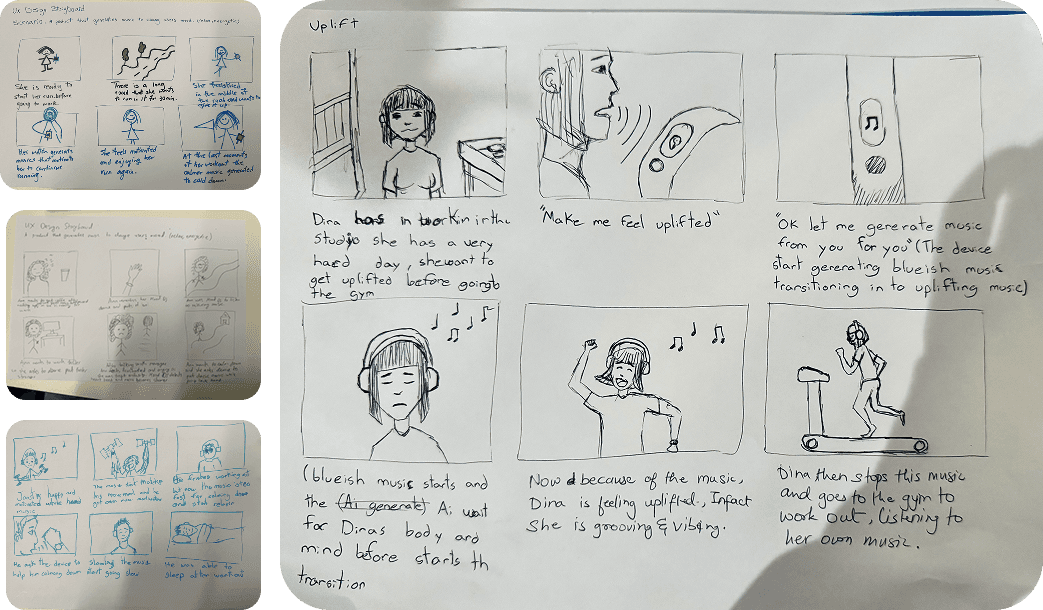
Problem statement and user story
In the Define phase, we developed personas and storyboards to gain a deeper understanding of user needs, identify pain points, and clearly define the problem statement. This helped us stay focused on what mattered most and provided direction when we felt uncertain.
Process
Ideation & Co-creation
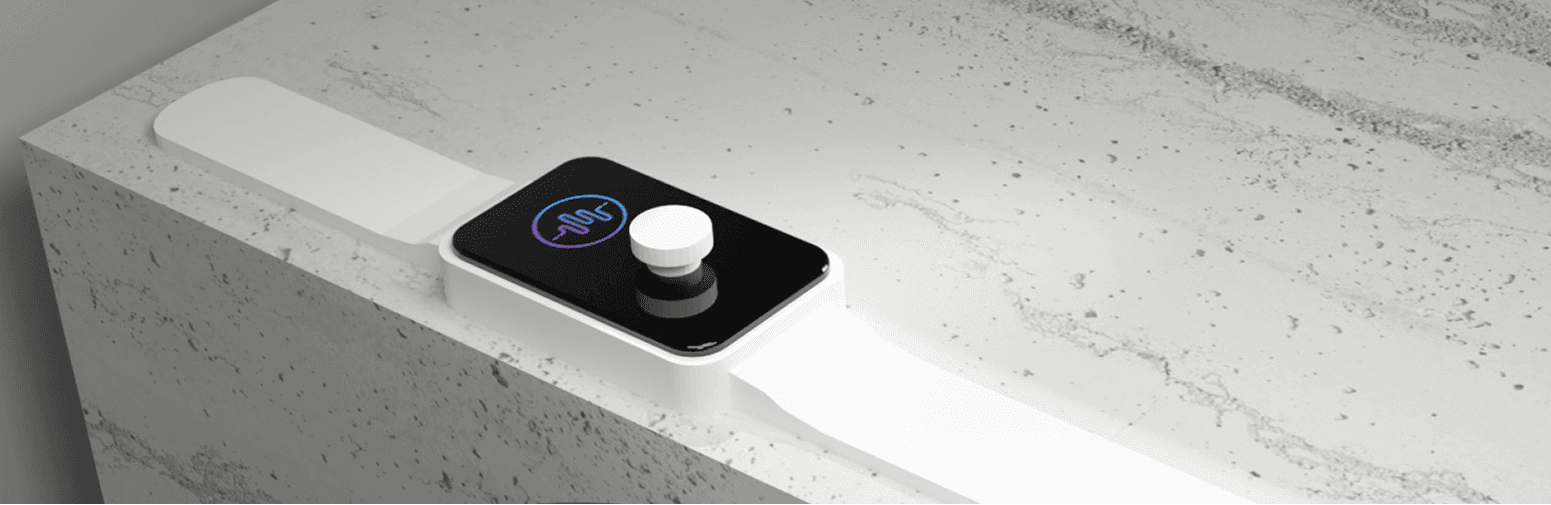
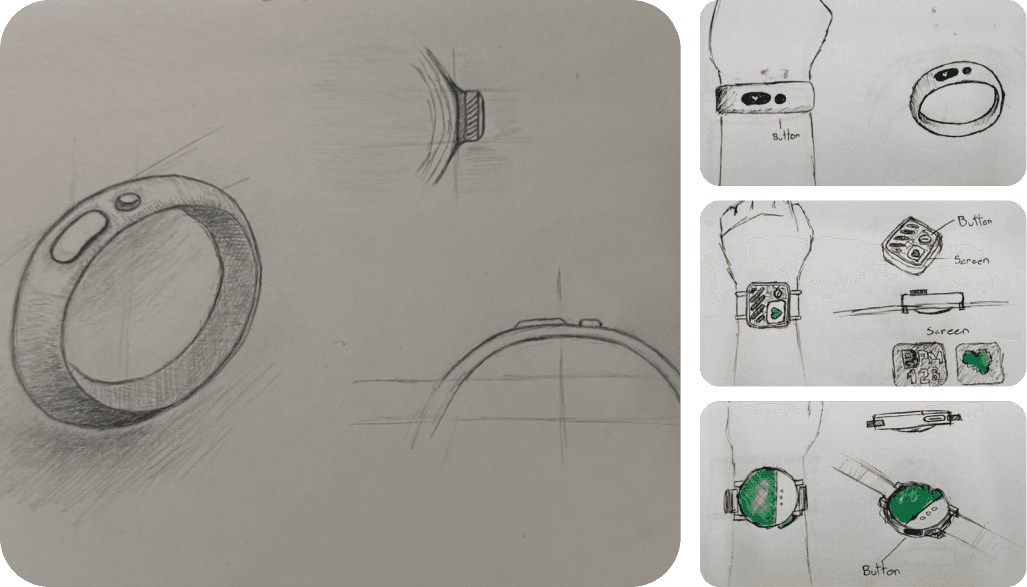
I collaborated with my teammates in brainstorming and sketching ideas for our wristband design. Considering market competition, we concluded that the device should not only support mood changes but also feature a minimalist layout, aesthetic appeal, and a compact size. To enhance the user experience, we proposed incorporating a small screen to display icons representing various modes. Additionally, we included buttons for navigation and setting adjustments. The device will primarily be operated through voice commands, ensuring seamless functionality.
Process
Low / high fidelity prototyping
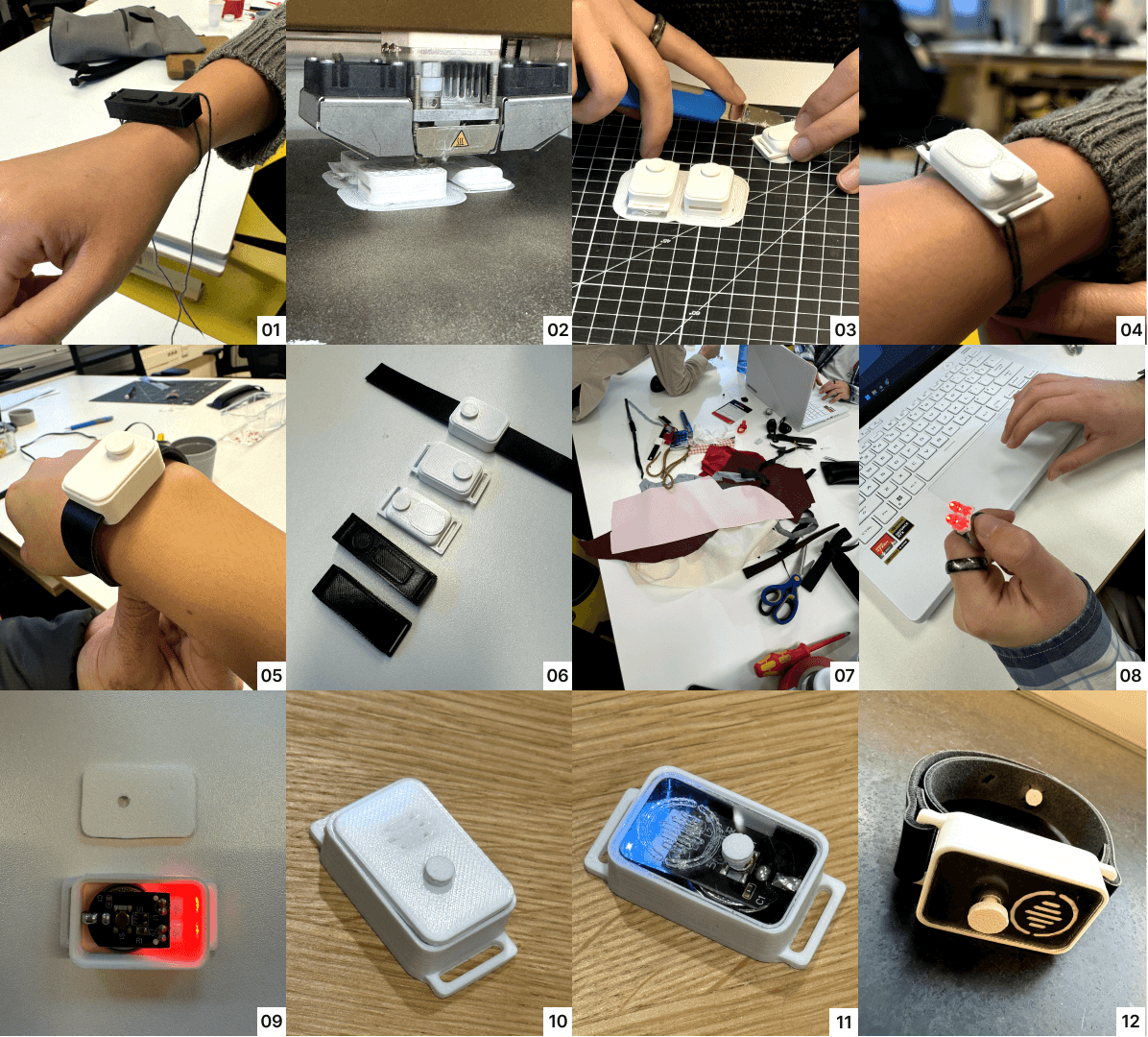
We used a 3D printer to create a low-fidelity prototype. Initially, the model was rough, and we encountered sizing errors. However, after several iterations, we successfully refined the design to closely match our intended vision.
Process
Wizard of Oz
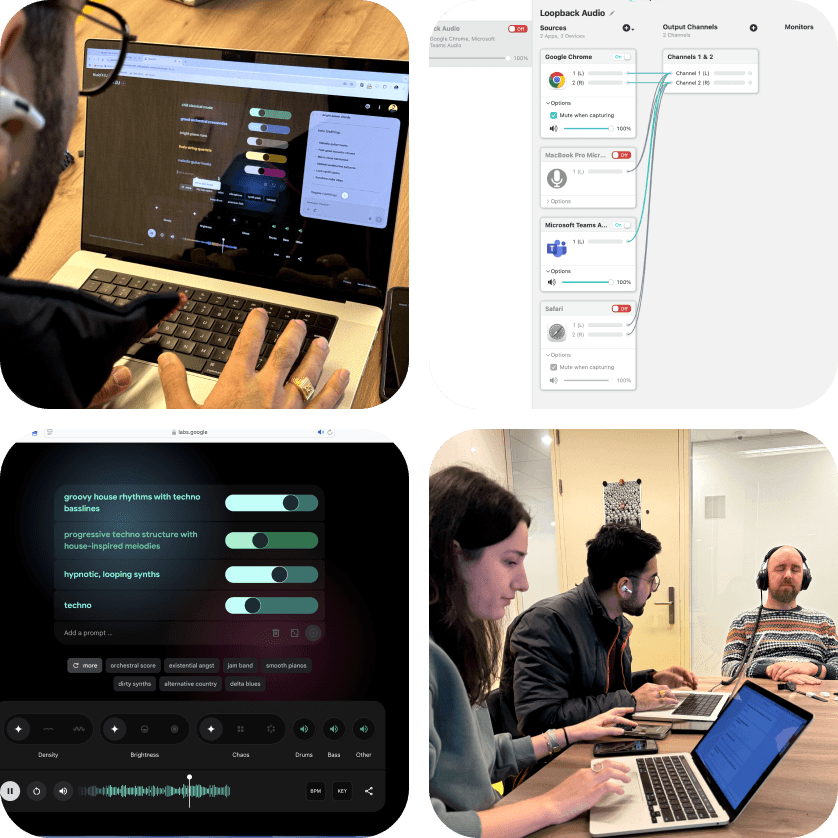
Using a Wizard of Oz testing approach, we simulated Mood DJ’s adaptive music experience by manually responding to users’ heart rate and emotional states in real time. This allowed us to explore how personalized music transitions could influence mood, relaxation, and energy before developing a fully functional AI system.
To support the experience, we integrated Google DJ-FX for real-time music mixing and personalized transitions based on user mood, preferences, and onboarding inputs — creating a more immersive and emotionally responsive interaction.
Process
User Testing
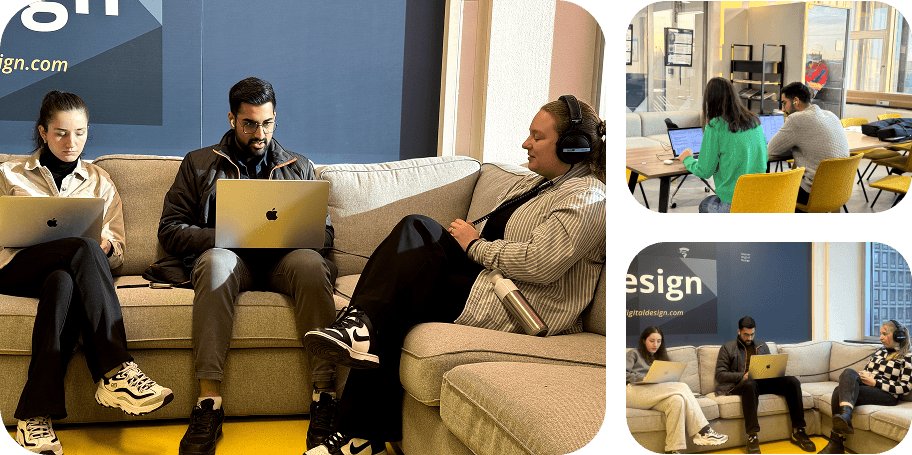
We conducted multiple user testing phases to evaluate how AI-generated music could influence mood, focus, and emotional well-being through the Mood DJ experience. Different music generation tools, genres, and transition styles were tested to understand how users responded to adaptive and personalized sound experiences in real time.
The testing revealed that instrumental genres such as techno, jazz, and lo-fi created smoother emotional transitions and stronger mood impact compared to vocal-heavy genres like pop and rap. Insights from these sessions helped refine the final music system, interaction flow, and personalization strategy behind Mood DJ.
Process
Final Product and Feedback
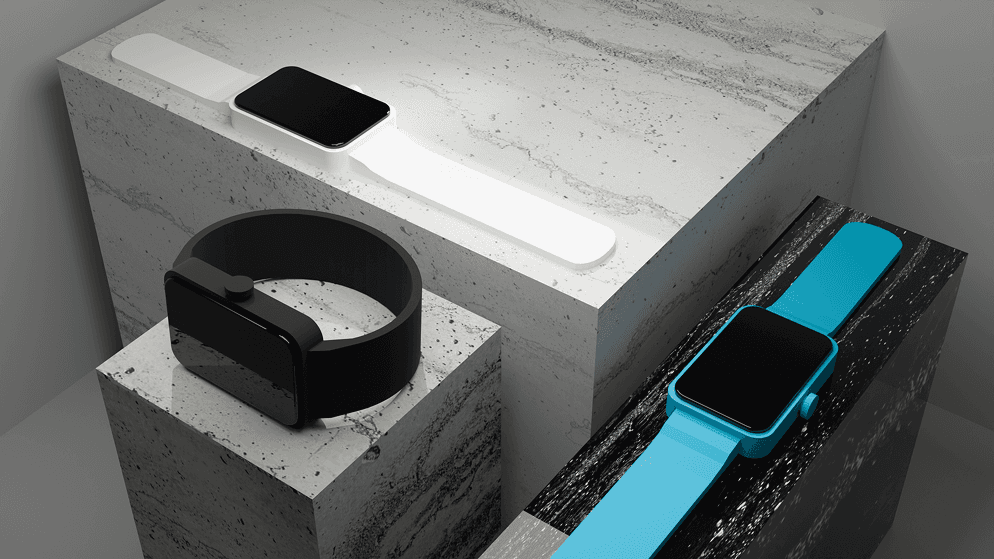
After in-depth discussions with users and during the feedback feast session, valuable suggestions were received, including concerns about potential discomfort caused by the button placement on top of the watch.
Future Steps
Technical Feasibility Check
Validate the design’s technical and engineering feasibility.
Refinement of AI generated music
Currently there are limitations generating certain musical genres, vocals and transitions.
Wearable device design
Optimize the design and dimensions of the wearable to accommodate all necessary hardware components effectively.
Brand Identity
Logo Design
I led the development of Mood DJ's brand identity by creating a branding strategy board, guiding the research, analysis, and design of a cohesive brand strategy. The process began with clearly defining the problem statement, value proposition, and user benefit outcomes, followed by research to understand the target audience. These foundational elements informed key design decisions, ensuring the brand resonated with the needs of our users and effectively communicated Mood DJ's unique value.
Logo Creation
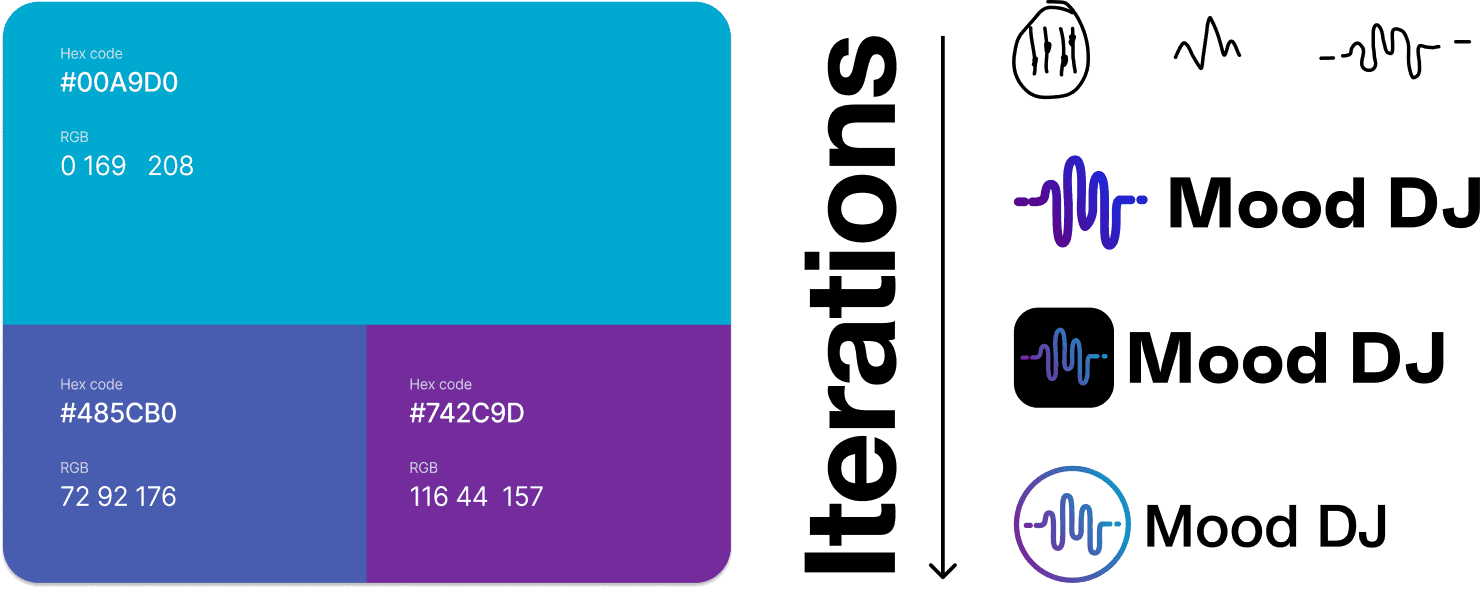
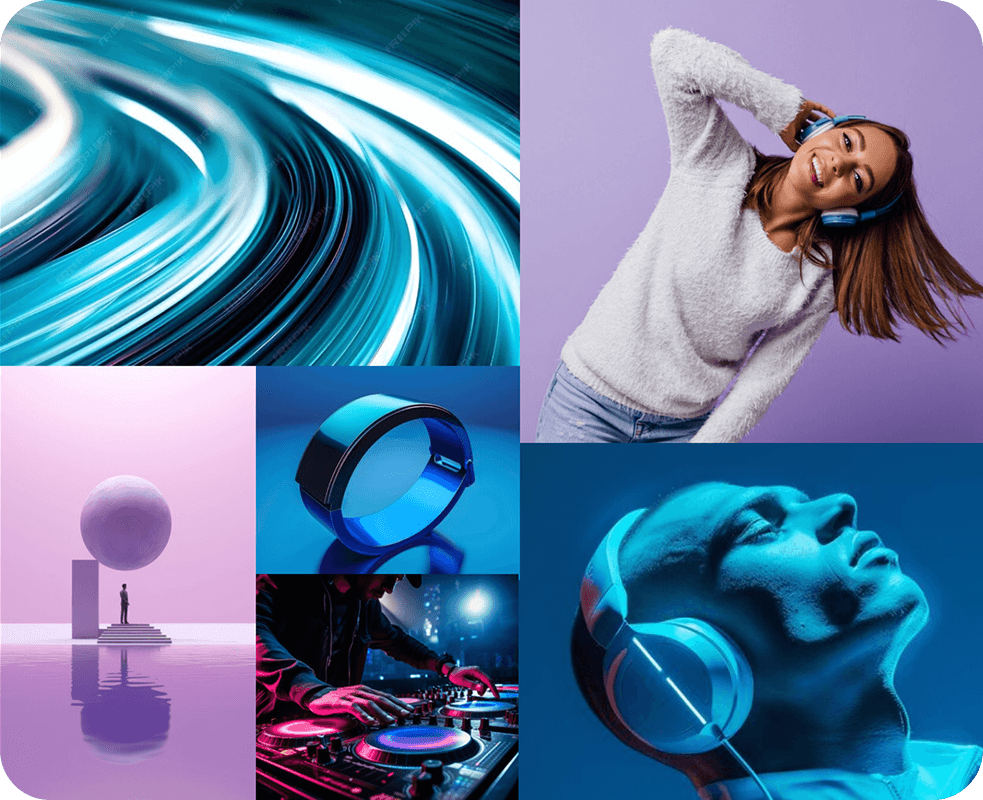
The logo combines elements of sound waves and heart rate, symbolizing the core design concept of Mood DJ. Soothing gradients, such as blue to purple, were used to represent calmness and the concept of music transition.